
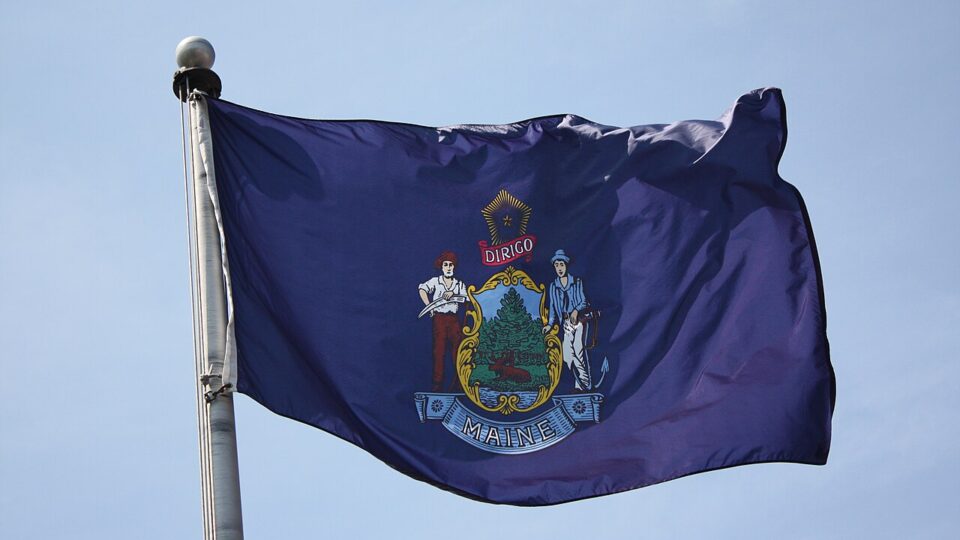
Two weeks after becoming law, Maine’s statute granting Lucky Cola iGaming rights to tribal nations faces a legal challenge from a commercial casino located in the Pine Tree State.

The Oxford Casino Hotel filed a lawsuit against the state late last week in U.S. District Court. It wants to block Maine from enforcing LD 1164, a bill state legislators passed last year and Gov. Janet Mills allowed to become law without her signature on Jan. 11.
Called “An Act to Create Economic Opportunity for the Wabanaki Nations,” the Maine law allows each of the four recognized tribes to offer online gaming.
In the 19-page complaint, the Oxford Casino called LD 1164 “The Monopoly Law” and said it violates both the state and U.S. constitutions. If allowed to stand, the Maine iGaming law will cause harm to both the casinio and state. The suit noted Maine received $40 million in taxes from the casino last year.
The complaint also cites a study by The Innovation Group that found brick-and-mortar casinos saw their revenues drop by 16% in states with iGaming. Based on that report, the suit alleges that will lead to nearly 380 lost jobs, $22 million in lost wages, and a total economic impact of $60 million to the state’s economy.
Promoting iGaming through race-based preferences deals a gut-wrenching blow to Maine businesses like Oxford Casino that have heavily invested in the State and its people,” the lawsuit states.
The Oxford Casino is one of two commercial casinos in Maine. The other is Hollywood Casino in Bangor.
Oxford is located about 35 miles north of Portland.
Churchill Downs Member of Anti-iGaming Group
Churchill Downs Inc. owns the Oxford Casino and serves as one of the plaintiffs in the case. The Louisville-based company, best known for hosting The Kentucky Derby at its namesake track, has emerged as one of the larger regional gaming operators in the country. Churchill owns racetracks, casinos, and historical horse racing gaming centers in Midwestern, Mid-Atlantic, Northeastern, and Southeastern states.
Last year, Churchill and The Cordish Cos., another regional gaming operator, became founding partners of the National Association Against iGaming (NAAiG), which includes other gaming operators and trade unions. NAAiG testified against efforts to legalize online casinos in Maryland, helping to keep a measure in that state’s legislature from advancing by arguing it would result in job losses and fewer people visiting their properties.
Proponents of legalizing iGaming refute opponents’ claims that online casino apps take away from their brick-and-mortar counterparts. On the contrary, supporters say iGaming can serve as a valuable marketing tool for land-based casinos to attract new customers and bring those customers to their resort for overnight stays, shows and other amenities.
While the lawsuit makes clear the plaintiff’s position on Maine iGaming, if it is legal in the state, then they argue it should be open to more than just the tribes.
Churchill Downs Incorporated would be interested in applying for an iGaming license in Maine, and would plan to apply for a license, but it is not eligible,” the complaint states.
What’s Next
State officials have yet to respond in court to the lawsuit.
LD 1164 will take effect 90 days after the current state legislative session ends. That will happen no later than April 15. It’s uncertain when Maine residents officially could gamble on licensed apps.
If upheld, Maine will join Connecticut, Delaware, Michigan, New Jersey, Pennsylvania, Rhode Island, and West Virginia in offering online casino gaming statewide.
Stay updated with GI
Follow Gambling Insider for independent news, analysis and industry expertise.


Gambling Insider delivers the latest industry news, in-depth features, and operator reviews that you can trust. Our team combines rigorous editorial standards with decades of specialized expertise to ensure accuracy and fairness. We are committed to delivering clear, impartial, and dependable coverage across the global gambling sector.
Ads by: